
While shopping for a vehicle online is a time saver, it also exposes you to listings that originally seem promising but deteriorate substantially before you reach the verification stage.
Before you even send a message to the seller, there are a few quick and simple tests you can perform to determine if the listing is legitimate or not, especially if this is your first time purchasing a car, or you are buying from a long-distance.
An Inconsistent VIN
A legitimate listing should always feature the full, 17-digit VIN. If it shows a partial VIN, no VIN, or ‘can only be viewed privately,’ you are in a gray area. Do this first:
- Run the VIN through a free VIN decoder to verify the make, model year, trim, and engine type are the same as the ad
- Check mileage and accident information against multiple sources to identify inconsistencies
- Cross reference the VIN in the ad against the VIN shown in the photos of the dash, door jamb, or engine bay if photos are available.
If anything is inconsistent, you should walk away.
Photos That Don't Belong to the Seller
Photos that are inconsistent, overly staged, or oddly blurry are common signs that the listing is recycled or stolen. Here are some quick checks:
- Perform a reverse image search to see if the pictures appear on older classified advertisements, auction listings, or foreign sites
- Look closely at the background—license plates that don't match the seller's region, abnormal weather for the seller's location, or two homes / two driveways in a different photo.
- Watch for missing angles. If a seller won't show the dashboard, undercarriage, or engine, there's a very good chance they are hiding damage.
Any photo inconsistency is a sign that this is not a path you should follow.
Domain or Seller Details That Don't Match Reality
If you're browsing a private website or a brand new dealership with incredible deals, check a few basics.
- Find a domain age tool to see when the site was created. A ‘dealership’ that was created two weeks ago with dozens of amazing luxury cars is a red flag
- Run a WHOIS to see if the listed location is where the domain claims
- Use IP geolocation tools to see if emails or messages are from a different region.
Legitimate businesses leave a digital footprint; scammers do not.
The Pricing and Storyline Don't Add Up
If the price is significantly lower than comparable vehicles in your area, then assume something is hidden until proven otherwise. Here are some things to double-check:
- Look at listing prices on multiple apps/websites. If the car is listed at 20–40% less than average, it could have mechanical issues, pending repairs, or title washing
- Ask yourself ‘Does the seller's story match the price?’ A common scammer claim is ‘I need to sell quickly’ or ‘I am moving soon.’
- Be wary of encounters where the seller avoids meeting in person, pressures for wire transfer payments, or avoids video calls.
Legitimate sellers will want to show the car in person. Scammers can only apply pressure from a distance.
Lack of CPO Documentation or Questionable Warranty Claims
Some questionable listings will throw in ‘dealer-certified’ or ‘great warranty coverage’ in their descriptions, but can't produce a single document that states it is in fact true. Here is what to check right away:
- Legitimate CPO programs have actual checklists, inspection summaries, and dealership records
- A seller should be able to provide service history, repair invoices, and evidence of recent maintenance. ‘We just serviced it’ is not enough
- Be skeptical of vague language like ‘comes with protection’ or ‘still under dealer guarantee.’ This could simply be the bait to cover up mechanical defects.
Endnote
A few minutes of checking a vehicle can save you from losing thousands of dollars. Before you message the seller or jump in your car to drive across town, do these simple checks. The more a listing falls apart under simple scrutiny, the more you should trust your gut and move on to something safer.
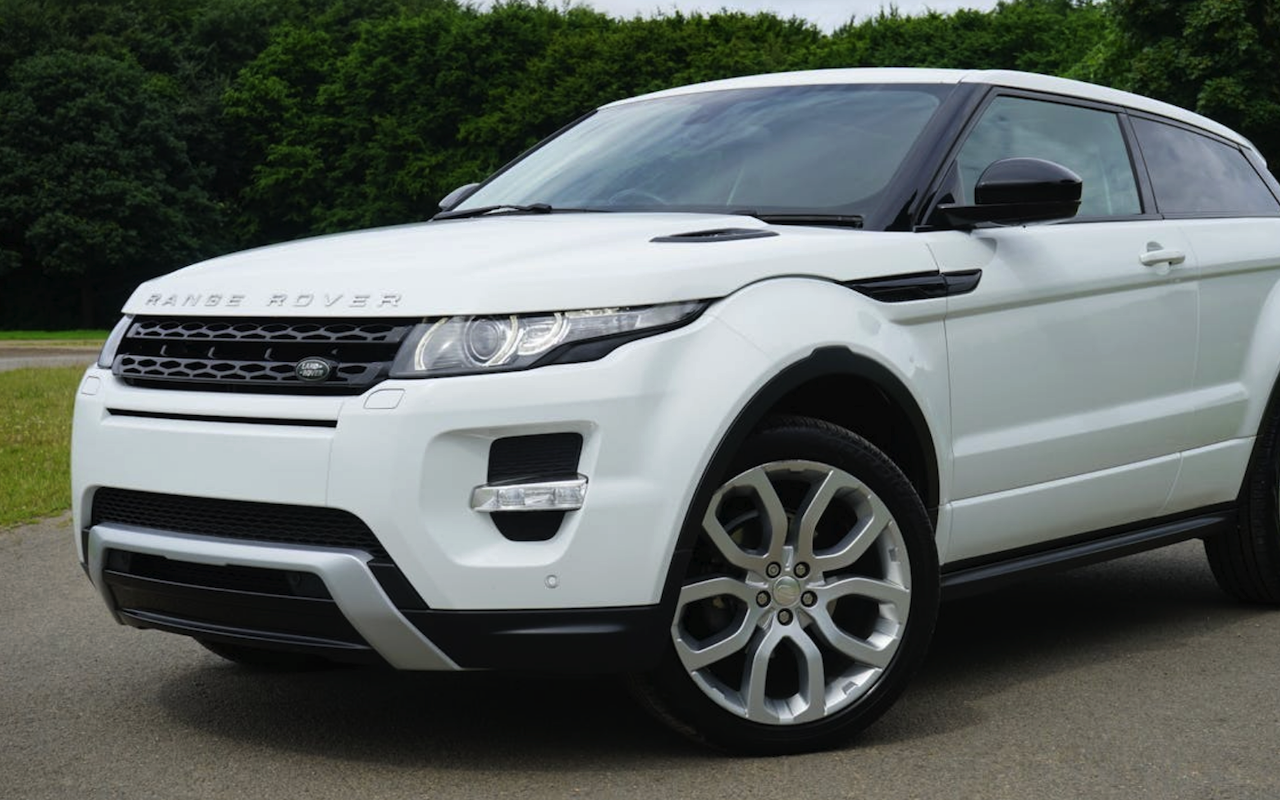
Featured Image by Pexels.
Share this post
Leave a comment
All comments are moderated. Spammy and bot submitted comments are deleted. Please submit the comments that are helpful to others, and we'll approve your comments. A comment that includes outbound link will only be approved if the content is relevant to the topic, and has some value to our readers.
Comments (0)
No comment