
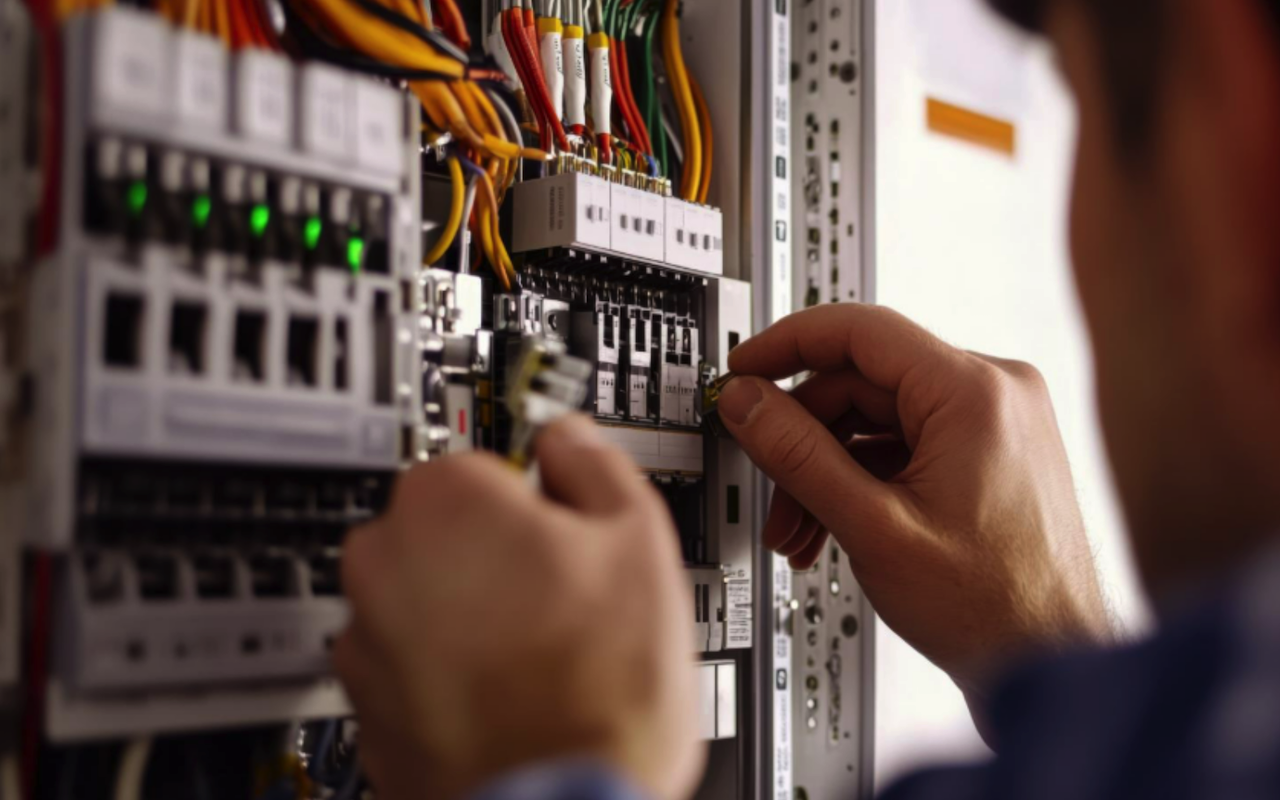
In every well-lit room, warm shower, and working appliance, there's one thing quietly doing the heavy lifting behind the scenes: the electrical panel. It's usually tucked behind a plain door in a garage, hallway, or basement. This system may not be the most eye-catching part of a home, but without it, everyday life would feel a lot more complicated.
Here's the challenge: At some point, your breaker box may struggle to keep up. And when that happens, you might notice minor issues that sometimes point to bigger electrical limitations.
Keep reading to find out when it's time to upgrade your electrical board and how the process works, step by step.
Signs You Need a Panel Upgrade
Not all home improvement projects start with a burst of inspiration. Some begin with little problems or annoyances that gradually affect the rest of your home. Upgrading an electrical panel often falls into that second category.
While you can hire residential electrical services to troubleshoot problems, it's still best to know the warning signs yourself. Here are a few things worth watching for:
Frequent Breaker Trips
Circuit breakers that keep tripping are actually doing their job. They're safety guards that jump in when things get too intense, electrically speaking. The trouble starts when that trip to the electrical panel turns into part of your weekly routine.
Those frequent trips are the system's way of saying it can't handle the load anymore. The math is simple here: more devices plugged in, but the same old capacity trying to handle almost everything.
Buzzing Sounds or a Faint Burning Smell
This is a more obvious indication that something's not right. If you hear a buzzing sound coming from your panel, it could mean wires are loose or arcing.
Electricity is supposed to work quietly. Even if it's just subtle, you shouldn't ignore it. The same goes for a faint burning smell, especially near the outlets. That smell might be coming from overheated wires or melted insulation. All these issues carry real safety risks, so it's best to get licensed electrical contractors right away.
Flickering or Dimming lights
It's easy to assume that a flickering light is just a loose bulb or a minor glitch. Sometimes, that's all it is. But you can tell the difference when it starts happening more often. For one, the lights might dim every time you turn on the microwave or plug in the vacuum.
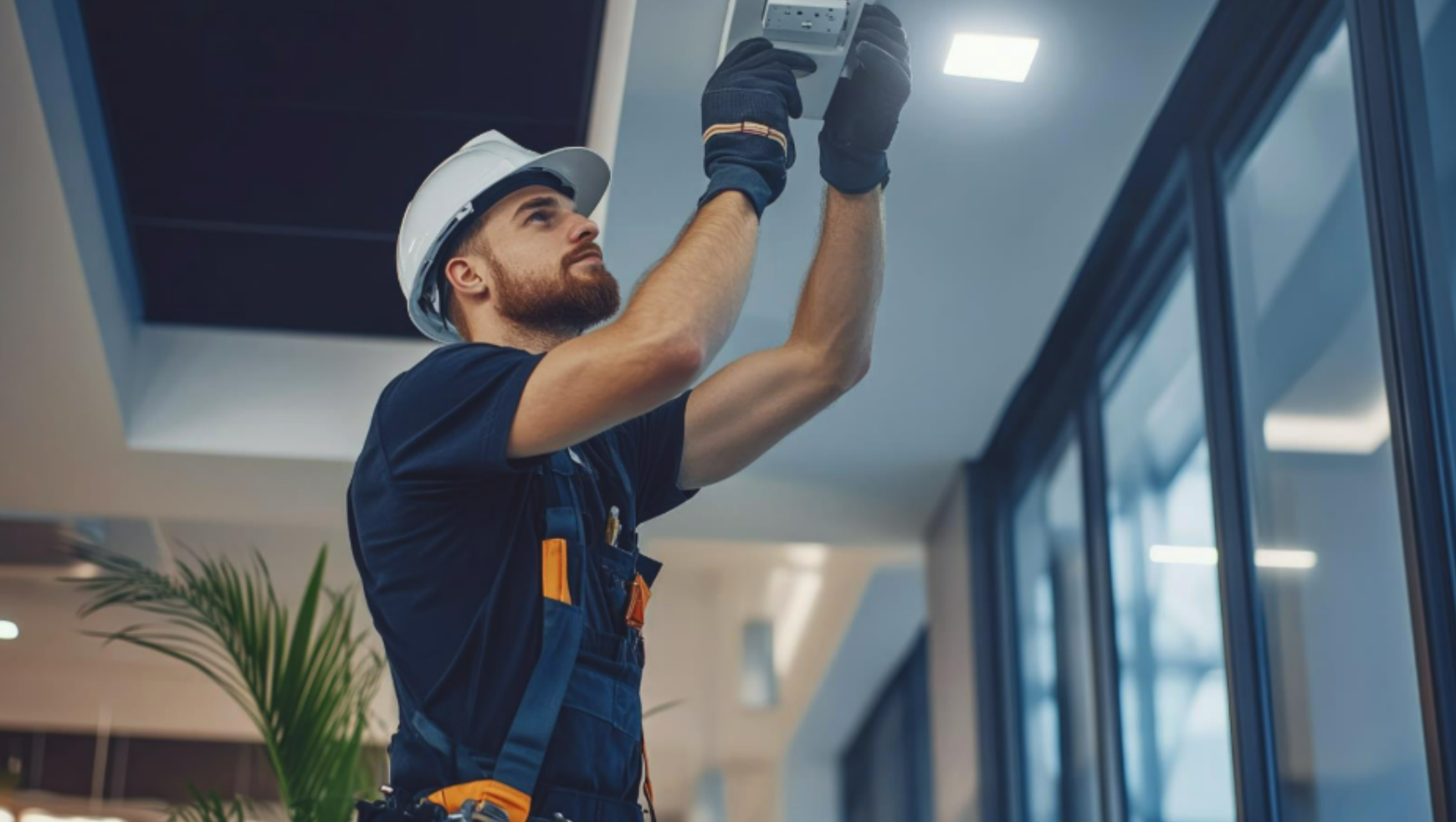
When the panel can't deliver consistent power across circuits, lighting is often the first thing to show it. It's one of the early signs that your system may be working harder than it should.
No Room for Additional Circuits
People doing home renovations often find themselves short on breaker panel space. Installing an EV charger, HVAC system, heat pump, or electric stove typically means running new circuits.
Now, if your existing panel is full, there's no safe way to add more breakers. In that case, a panel upgrade isn't always a good idea. It's a necessary part of moving forward with your home improvement plans.
Outdated Panel Model
Age alone doesn't always mean an electrical system needs to go, but older units do come with risks. Units were made 30 or more years ago for very different electrical demands. Some older brands also have known safety issues that only came to light much later.
Simply put, even if they appear to be working fine, old models may no longer meet today's safety expectations.
These warning signs don't always show up all at once. You need to pay attention when something feels off and not brush it aside.
Step-by-Step Guide to Upgrade Your Electrical Panel
We're now at the part where the upgrade starts to take shape. Here's what you can usually expect as you move through the process:
Start With a Professional Assessment
The first step is to bring in a licensed electrician to take a close look at your current electrical setup. Their assessment includes checking the age of your panel, how it's performing, and whether it meets your home's power demands. It's also a great time to ask questions and understand how the work will improve your home's overall efficiency.
Get the Necessary Permits
You can't just swap out a board without informing the local authorities. Most cities or states require permits for electrical upgrades, and failing to get one could lead to issues down the line. The good news is that your contractor will usually handle the paperwork for you. It keeps the project above board and ensures everything is up to code.
Prepare Your Home and Set a Schedule
Once the plan is in place, it's time to get your home ready for the project. You'll need to coordinate a time for the work and prepare for a temporary power outage. That means unplugging devices, charging your phone ahead of time, and letting your household know what to expect. Clear access to the breaker board is also a big help for the crew tackling the work.
Takeaway
The electrical panel isn't always the star of the show at home, but it plays a major role behind the scenes. Taking care of it now can save you a lot of stress and money. And remember, this job isn't a DIY project. You need to tackle it with the help of a licensed electrician. It's a solid step toward making your home safer, more efficient, and ready for whatever the future brings.
Share this post
Leave a comment
All comments are moderated. Spammy and bot submitted comments are deleted. Please submit the comments that are helpful to others, and we'll approve your comments. A comment that includes outbound link will only be approved if the content is relevant to the topic, and has some value to our readers.
Comments (0)
No comment