
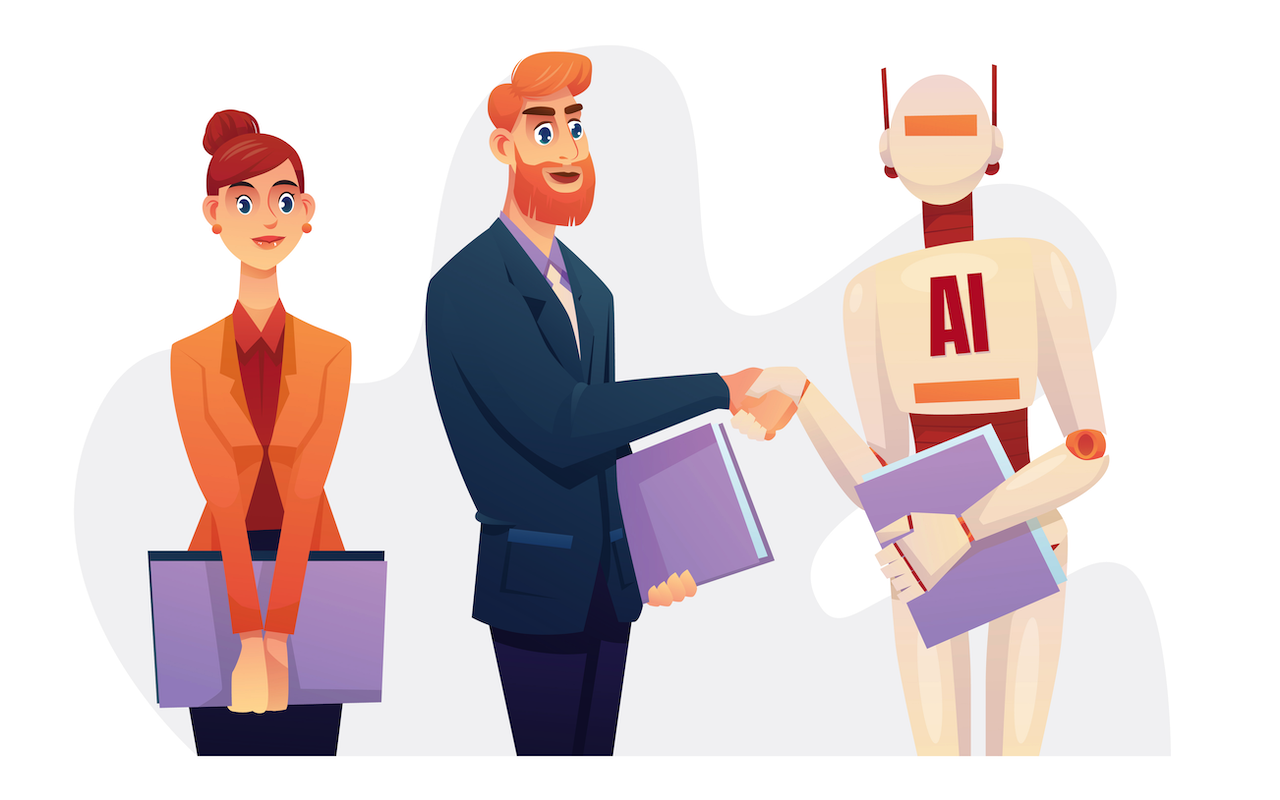
Employee onboarding has evolved dramatically. Tasks that once took weeks—paperwork, meetings, and manual coordination—are now streamlined through AI-driven digital workflows. As remote work becomes a lasting fixture in the modern workplace, these AI-powered solutions have become essential for delivering efficient and scalable onboarding experiences.
Recent research shows 20% of employees quit within the first 45 days, and only 12% feel their company does a great job onboarding. The stakes are even higher for remote workers, with 63% more likely to leave compared to 29% of in-office employees. Studies from Gallup highlight the strong connection between effective onboarding and employee retention.
AI is revolutionizing onboarding by automating tasks, personalizing experiences, and offering continuous support, turning a traditionally tedious process into a strategic advantage.
The Remote Onboarding Challenge
Remote onboarding comes with challenges in communication, cultural integration, and support that traditional in-person processes don’t face. The remote onboarding process can be both exciting and challenging for employers and employees, as the absence of in-person interaction often leaves new hires feeling disconnected or isolated.
The difficulties go beyond logistics. Some employees, particularly older ones, may struggle with new technologies. Combined with the loss of informal learning and spontaneous interactions, this creates issues that organizations must overcome.
During the pandemic, 51.7% of managers found engaging remote candidates to be the hardest part of hiring remotely, highlighting the need for integrated AI recruitment tools that streamline sourcing, evaluation, and onboarding workflows. Onboarding was cited as the next biggest challenge at 49.7%, followed by evaluation at 42.4%, illustrating the wide range of obstacles remote hiring brings, from initial contact to long-term integration.
The impact of poor onboarding is significant. Remote workers often find onboarding confusing, with 36% reporting issues compared to 32% of their on-site counterparts. For remote employees, these problems are amplified by feelings of isolation and limited access to immediate help.
Intelligent Automation in Action
AI's impact spans many areas of onboarding. For example, it streamlines document management by checking for errors, verifying forms quickly, reducing mistakes, and speeding up the process.
Task automation ensures seamless workflows by eliminating repetitive data entry and assigning onboarding packages based on employee data. This keeps new hires on track with consistent and relevant information.
AI-powered reminders and tracking systems help prevent delays. For instance, AI can remind employees of upcoming training deadlines or create to-do lists to keep them organized and reduce stress.
AI also transforms training content creation. By analyzing videos or subject, AI can condense expert knowledge into accessible e-learning modules, as demonstrated by Turing’s success in training new software engineers.
The Meeting Revolution: AI-Powered Note-Taking
One major challenge in remote onboarding is capturing and organizing important information shared in virtual meetings. Traditional note-taking often leads to incomplete records, missed details, and inconsistent information across sessions.
AI-powered note-taking tools are transforming this process. They automatically transcribe meetings, highlight action items, and create clear summaries for new hires to reference later. Beyond basic transcription, these tools analyze meeting content to identify key policies, training needs, and role-specific guidance.
Modern meeting minutes AI platforms represent a significant advancement in this space, offering capabilities that extend far beyond basic recording. These systems can identify speakers, categorize discussion topics, and even generate personalized action items for different participants. For new hires navigating complex organizational structures and processes, having access to searchable, organized meeting records becomes invaluable.
The impact extends to onboarding consistency as well. When every orientation meeting, training session, and team introduction is automatically documented and analyzed, organizations can identify gaps in their onboarding process and ensure that all new hires receive the same essential information. This standardization is particularly crucial for remote teams where informal knowledge transfer is limited.
Personalization at Scale
AI's ability to deliver personalized experiences at scale is transforming remote onboarding. AI user onboarding leverages artificial intelligence to analyze user behavior, customize onboarding flows, and trigger context-aware experiences automatically. This approach goes beyond one-size-fits-all solutions by creating tailored experiences based on individual needs.
Personalization starts with role-specific content. AI analyzes job descriptions, departmental needs, and skill assessments to create customized onboarding paths. Onboarding surveys can gather feedback to help refine recommendations and improve the process for future hires.
Language and cultural adaptation is another key feature. AI can quickly translate training materials into multiple languages, removing the need for costly translation services. For global teams, this ensures language barriers don’t disrupt onboarding.
AI also adapts to learning preferences. Whether new hires prefer videos, interactive modules, or written materials, AI tracks engagement and adjusts content delivery to suit each employee, making onboarding more effective.
Real-Time Support and Continuous Learning
Traditional onboarding programs often end after the first few weeks, leaving new employees to navigate ongoing challenges independently. AI-powered systems transform this linear approach into a continuous support model that adapts to evolving needs and circumstances.
HR chatbots are vital in reducing the overwhelming screening part of the onboarding process. It can improve your employee experiences and provide you with valuable feedback. These intelligent assistants provide 24/7 support—answering questions, providing guidance, and escalating complex issues to human HR representatives when necessary.
The continuous learning aspect addresses the reality that onboarding is not a discrete event but an ongoing process. Waybook supports ongoing learning and development beyond the initial onboarding phase. With its AI-powered recommendations and personalized learning pathways, employees can continuously acquire new skills. This extended support model helps new hires navigate the inevitable challenges and questions that arise as they settle into their roles.
AI systems also learn from each interaction, improving their recommendations and support capabilities over time. Machine learning (ML) can help automation tools improve as they learn more about the tasks they are performing and the personnel they are assisting. This continuous improvement ensures that the onboarding experience becomes more effective and efficient with each new hire.
Data-Driven Optimization
AI’s analytical capabilities transform onboarding from a process rooted in intuition and tradition into a data-driven system that continuously evolves. AI can summarize onboarding data to make this analysis easier. For example, an AI summary may note that 70% of new employees in the last year were late in submitting their onboarding paperwork. These insights enable organizations to identify bottlenecks and implement targeted improvements.
The optimization extends to resource allocation as well. By analyzing completion rates, engagement metrics, and feedback data, AI systems can identify which onboarding components are most effective and which require enhancement. This data-driven approach ensures that organizations invest their resources in the most impactful onboarding improvements.
Predictive analytics add another layer of value by identifying early warning signs of potential retention issues. A strong onboarding experience ensures that 69% of workers remain with a firm for three years. AI systems can analyze onboarding engagement patterns to predict which new hires may be at risk of early turnover, enabling proactive intervention.
The Human Element in AI-Driven Onboarding Success and ROI
AI can automate many parts of onboarding, but the human touch is crucial for building connections and handling complex situations. Over-automation can make the process feel impersonal. The key is balancing automation with personal interaction.
AI streamlines onboarding by managing routine tasks and speeding up processes for individuals and teams. This frees HR to focus on strategic activities while ensuring consistent information delivery. By handling admin work, AI allows HR to spend more time on relationship building, cultural integration, and personalized support.
Rather than replacing human interaction, AI enhances it. For example, assign new hires a mentor—an existing team member who can guide them during their first weeks. AI can match hires with the right mentor based on skills, experience, and personality.
AI in remote onboarding delivers measurable benefits. Remote employees with effective onboarding are 54% more productive in their first six months, creating clear business value, especially for organizations with large remote teams.
Efficiency gains are equally significant. Automated onboarding reduces employee data errors by 73%, saving time and avoiding downstream issues with payroll, benefits, and compliance.
The financial impact goes beyond efficiency. Businesses with effective onboarding see a 60% year-over-year revenue increase. AI-powered systems amplify these benefits by enabling better personalization and continuous improvement.
Conclusion
AI-powered remote onboarding represents a fundamental shift in how organizations welcome and integrate new talent. By automating administrative tasks, personalizing experiences, and providing continuous support, AI addresses the unique challenges of remote work while creating more engaging and effective onboarding experiences.
The technology's impact extends far beyond efficiency gains to encompass improved retention, enhanced productivity, and better cultural integration. As organizations continue to embrace remote work models, AI-powered onboarding systems will become increasingly essential for maintaining competitive advantage in talent acquisition and retention.
The future of remote onboarding lies in the thoughtful integration of AI capabilities with human expertise, creating hybrid systems that leverage the best of both approaches. Organizations that invest in this transformation today will be better positioned to attract, integrate, and retain top talent in an increasingly competitive remote work landscape.
Success in this transformation requires strategic planning, careful implementation, and continuous optimization. But for organizations willing to embrace the change, AI-powered remote onboarding offers the promise of more efficient, effective, and engaging employee integration turning the traditional onboarding challenge into a strategic advantage in the modern workplace.
Featured Image by Freepik.
Share this post
Leave a comment
All comments are moderated. Spammy and bot submitted comments are deleted. Please submit the comments that are helpful to others, and we'll approve your comments. A comment that includes outbound link will only be approved if the content is relevant to the topic, and has some value to our readers.
Comments (0)
No comment