
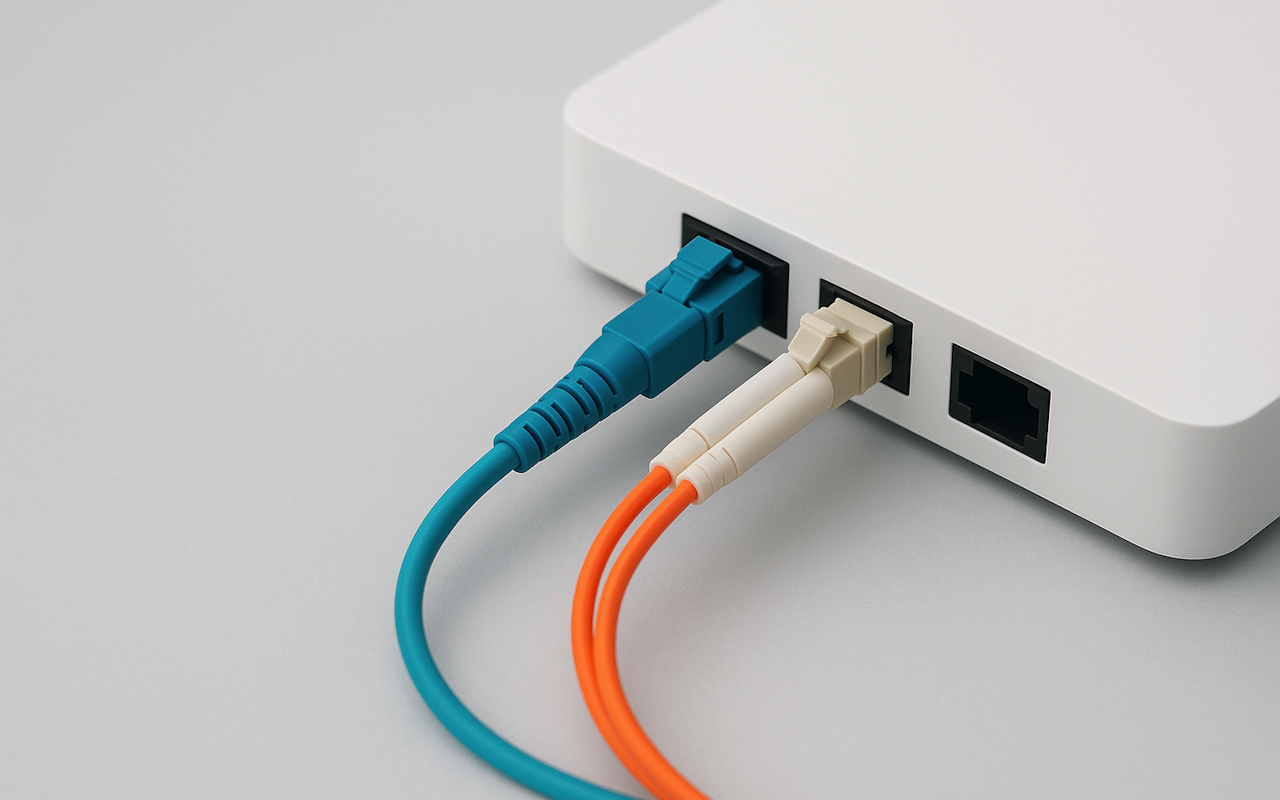
High-speed fiber internet is transforming the way we connect, offering unmatched reliability and speed for various applications. From enhancing security systems to supporting seamless streaming and communication, fiber internet is at the forefront of technological advancement.
In today's digital age, the demand for robust and reliable internet connectivity has never been higher. As more devices and services rely on stable connections, fiber internet emerges as a key player in meeting these demands. Providers such as Clearwave Fiber reflect this shift by offering infrastructure designed to support the evolving needs of modern users. With advancements in fiber technology, users can benefit from improved performance, greater bandwidth, and more consistent connectivity.
The Advantages of Fiber Internet
Fiber internet offers several advantages over traditional broadband connections, including significantly lower latency and higher bandwidth. These features are crucial for ensuring smooth and uninterrupted internet experiences, whether you're streaming high-definition videos, engaging in video conferencing, or gaming online. Fiber's ability to handle large volumes of data efficiently makes it an ideal choice for households and businesses alike.
The benefits of low latency and high bandwidth extend beyond just speed; they enhance the overall quality of your internet experience. With fiber, video streams are crisp and clear, allowing for more accurate communication and quicker response times. The reliability of fiber connections means fewer dropouts and buffering issues, which are vital for maintaining productivity and enjoyment in today's fast-paced digital world.
Moreover, as digital services and applications become more advanced, the demand for greater data capacity grows. Fiber internet is uniquely positioned to meet these demands thanks to its scalability, ensuring that your internet service can expand alongside technological advancements without compromising performance or reliability.
Provider Considerations in Fiber Internet
When considering an upgrade to your internet service, it’s important to choose a provider known for reliability and speed. A strong network should be designed to support even the most demanding connectivity needs. While individual providers vary, those with consistent performance and industry-standard service can make a significant difference.
The robustness of a provider’s infrastructure contributes to uninterrupted connectivity, an essential factor for maintaining access to digital services and applications. As you explore options for enhancing your internet setup, it’s helpful to understand how different providers compare in terms of service quality and support.
Integrating fiber internet into your connectivity framework can enhance performance and offer flexibility in network design. A well-structured system allows for customization to meet specific requirements, reduces concerns about bandwidth limitations, and supports the addition of devices or upgrades as needed.
Key Features of Fiber Internet
Fiber internet contributes significantly to improving various aspects of digital connectivity. High-definition video quality is one such area where fiber truly shines; clearer images provide better insights during streaming and communication tasks. Lag reduction further enhances this experience by ensuring seamless playback and quick access to online content when necessary.
The scalability offered by fiber is another major advantage for those looking to future-proof their setups. As technology continues to evolve rapidly within the realm of digital services, being able to adjust systems easily becomes increasingly important. Fiber's ability to support multiple devices simultaneously without degradation in service quality ensures continued effectiveness regardless of changes or expansions made over time.
Finally, flexibility remains a key consideration when choosing between different types of internet connections available today. Fiber stands out due to its capacity to accommodate diverse configurations effortlessly while maintaining optimal performance levels across all components involved within any given setup.
Practical Applications of Fiber Internet
To illustrate the transformative power of fiber internet, consider practical applications across various sectors including residential and commercial environments. Imagine a small business owner who relies heavily on cloud services and online communication tools. Thanks to a high-speed connection enabled via fiber, operations remain uninterrupted even during peak periods of activity, providing invaluable reassurance that everything is under control.
Similarly, a homeowner might utilize the same technology to stream high-definition content or engage in online gaming, regardless of location or time of day. This level of integration reflects how fiber internet enables the seamless use of advanced technologies in everyday life, offering performance benefits without the limitations often associated with traditional alternatives.
Conclusion
As our reliance on digital technology grows, fiber internet stands out as a critical component of modern connectivity. Its unmatched speed, reliability, and scalability make it a future-ready solution for both homes and businesses. Whether you're managing a remote workforce, streaming media, or supporting smart devices, fiber provides the foundation needed to keep everything running smoothly. As providers continue to expand their fiber networks, more users will be able to experience the full benefits of this powerful technology.
Share this post
Leave a comment
All comments are moderated. Spammy and bot submitted comments are deleted. Please submit the comments that are helpful to others, and we'll approve your comments. A comment that includes outbound link will only be approved if the content is relevant to the topic, and has some value to our readers.
Comments (0)
No comment