

The Information Technology (IT) industry continues to transform at an unprecedented pace. New technologies emerge almost monthly, reshaping how organizations operate and redefining the skills IT professionals need to stay relevant. For businesses, this means adapting to constant technological change. For IT professionals, it presents expanding opportunities—alongside the need to evolve quickly. This guide explores the state of the IT workforce in 2026, highlighting trends shaping the industry and offering insights for organizations planning future talent strategies and professionals building long-term careers.
The Shifting Landscape of IT Work
Gone are the days when generalists could handle every technology need. Today’s IT environment demands deeper specialization, cross-functional collaboration, and agility. Companies are not simply filling roles—they are cultivating teams capable of driving innovation, managing complex systems, and supporting evolving digital infrastructure.
Success in this new era requires a nuanced understanding of emerging skill sets, workplace expectations, and the cultural attributes needed to support high-performing teams. Many organizations turn to industry research from specialist groups, such as Gravitas Recruitment Group, to better understand shifting competencies, talent trends, and the collaborative capabilities needed to build resilient IT teams in 2026.
Key Trends Shaping IT in 2026
1. The Rise of Niche Specializations
Complex technologies have created an explosive need for specialists. Expertise in areas such as:
- Artificial intelligence (AI)
- Machine learning (ML)
- Cybersecurity
- Cloud architecture
- DevOps
- Data engineering
…has become critical for modern organizations.
Broad job descriptions no longer reflect real-world requirements. Companies benefit from clearly defining technical competencies, and professionals gain a competitive edge by deepening knowledge in specific, high-demand domains.
2. Soft Skills Are Now Core Skills
Technical mastery alone is not enough. Organizations increasingly value professionals who can:
- Communicate clearly
- Solve complex problems
- Collaborate across departments
- Adapt to shifting project needs
- Work effectively in multi-disciplinary teams
An engineer who can articulate solutions and collaborate with stakeholders is far more valuable than one who can only write code. In 2026, well-rounded talent drives stronger outcomes and healthier workplace cultures.
3. Remote and Hybrid Work Has Redefined IT Roles
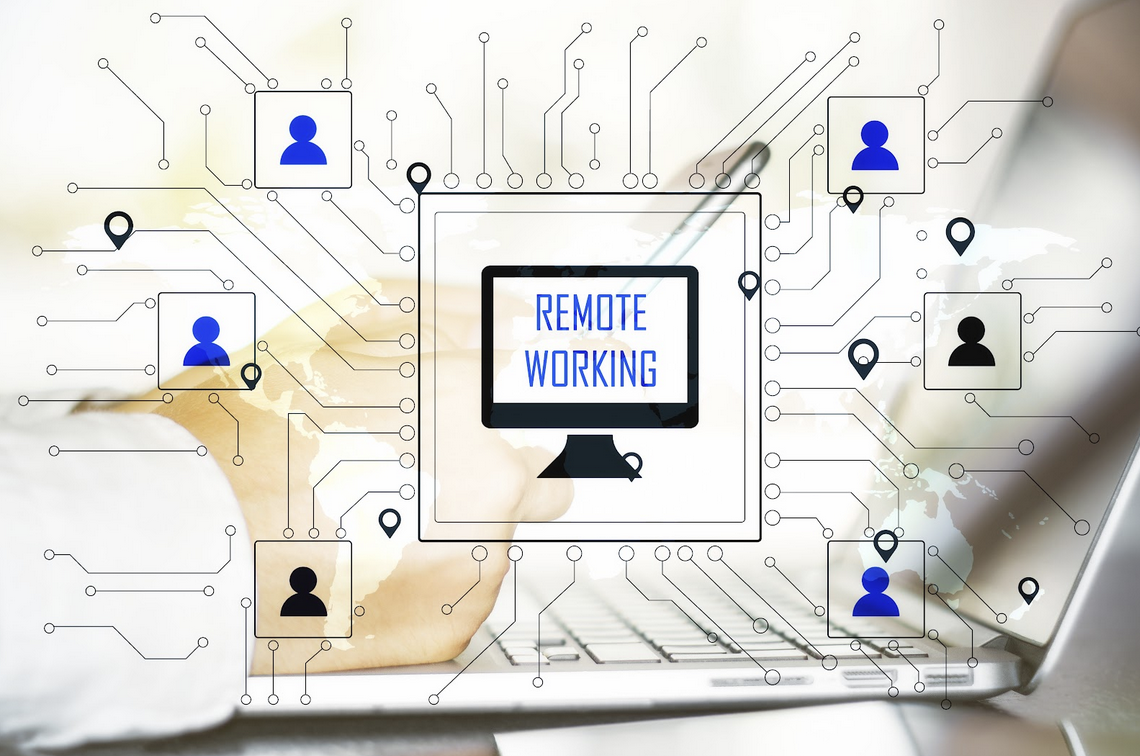
Remote and hybrid work are now permanent fixtures, reshaping team dynamics and talent distribution.
For organizations:
- Geographic barriers have dissolved, enabling global collaboration.
- Digital-first processes are essential for onboarding, communication, and workflow management.
- Culture-building and team cohesion require intentional effort.
For IT professionals:
- Greater flexibility and global opportunities exist.
- Self-management, virtual communication, and asynchronous collaboration are essential skills.
- Remote work expands access but also increases competition.
As distributed teams become the default, organizations must continuously refine digital workflows and employee support systems to maintain seamless operations.
Strategies for Building Effective IT Teams (Without Focusing on Hiring)
Strengthen Your Internal Brand and Culture
A strong internal culture—one rooted in innovation, collaboration, and continuous learning—naturally attracts and retains top talent. Organizations that highlight impactful projects, transparent leadership, and employee growth create environments where IT professionals thrive.
Optimize Internal Processes and Team Experience
IT teams are often strained by long approval cycles, siloed information, and unclear roles. Streamlining workflows, reducing friction in cross-department collaboration, and investing in modern tools helps employees stay productive and engaged.
Clear communication, supportive management, and efficient processes significantly influence retention and performance. Industry insights from groups like Gravitas Recruitment Group highlight that many workplace challenges stem not from a lack of talent, but from internal bottlenecks that prevent teams from doing their best work.
Provide Continuous Learning Opportunities
Technology evolves quickly, and professionals expect organizations to support their growth. Providing access to:
- Training budgets
- Certification programs
- Knowledge-sharing workshops
- Clear skill-development paths
…shows commitment to employee advancement. Teams that invest in continuous learning remain more resilient and innovative.
Guidance for IT Professionals Navigating the Industry

Commit to Lifelong Learning
To remain competitive, professionals must continually update their skills. This includes exploring emerging tools, refining existing expertise, and expanding their technical and non-technical capabilities. Learning is now a career-long responsibility.
Build and Maintain a Strong Network
Community engagement is essential. Whether through conferences, online forums, social platforms, or professional groups, networking provides:
- Insight into new technologies and industry changes
- Peer support
- Visibility for future opportunities
- Access to thought leaders and innovators
Strong networks often lead to collaborations and career growth.
Seek Out Environments That Support Your Growth
A healthy work environment—where innovation, creativity, and development are valued—can be more impactful than salary alone. Professionals benefit from joining teams where they are encouraged to experiment, contribute ideas, and shape organizational direction.
Charting the Future of IT in 2026
The world of IT is more dynamic than ever. Organizations must embrace adaptive strategies, support continuous learning, and build cultures that foster both innovation and stability. Professionals must remain proactive in their development, cultivate networks, and stay aligned with emerging technological trends.
Whether you’re designing a future-ready IT team or planning the next stage in your career, understanding these trends will help you navigate the fast-moving and opportunity-rich landscape of modern technology.
Featured Image by Freepik.
Share this post
Author

Leave a comment
All comments are moderated. Spammy and bot submitted comments are deleted. Please submit the comments that are helpful to others, and we'll approve your comments. A comment that includes outbound link will only be approved if the content is relevant to the topic, and has some value to our readers.
Comments (0)
No comment