
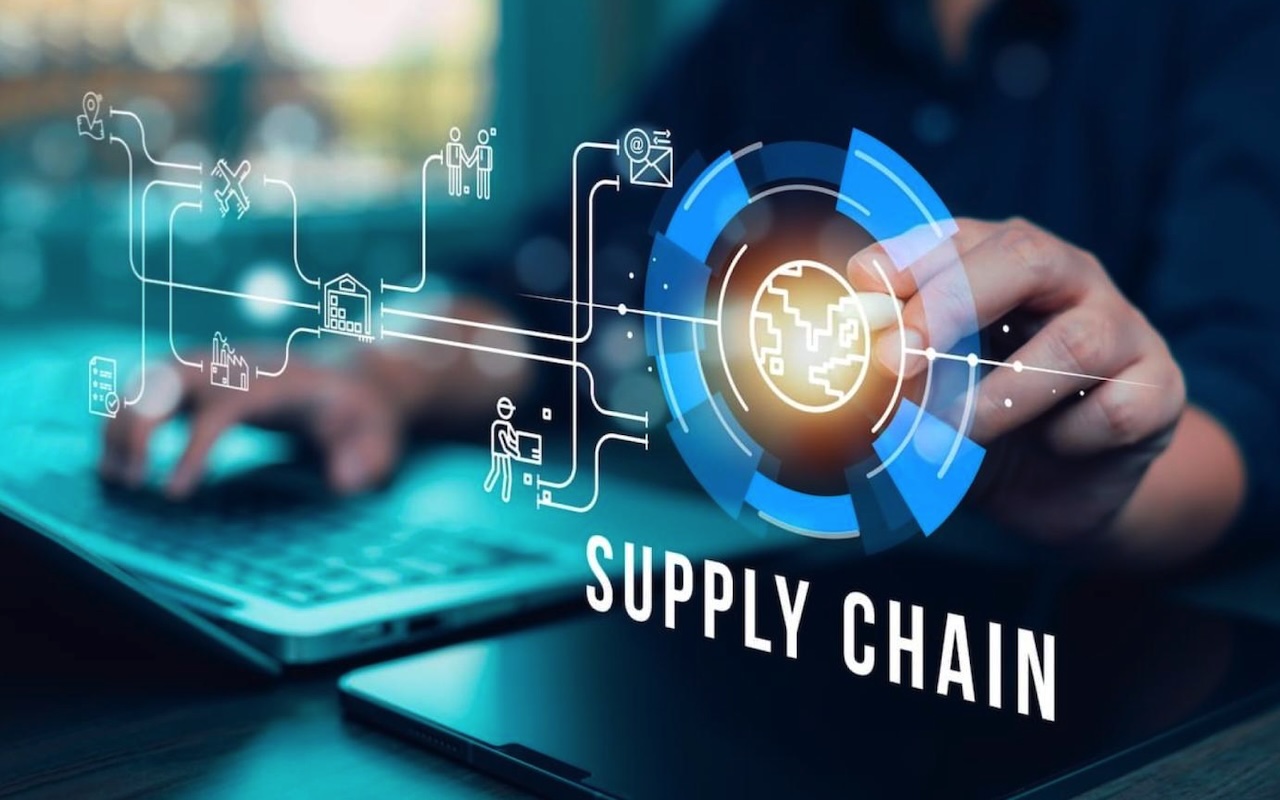
In today’s fast-paced global economy, supply-chain operations are the backbone of business efficiency and customer satisfaction. From sourcing raw materials to delivering finished products, every step in the supply chain must be managed with precision to ensure cost-effectiveness, reliability, and resilience. Companies that invest in optimizing supply-chain operations gain a significant competitive advantage in terms of cost savings, speed, and customer trust.
What Are Supply-Chain Operations?
Supply-chain operations refer to the end-to-end processes involved in producing and delivering goods and services to customers. It covers everything from:
- Procurement of raw materials
- Production and manufacturing
- Warehousing and inventory management
- Transportation and logistics
- Distribution to customers
An efficient supply chain ensures that products are delivered at the right time, at the right cost, and in the right condition.
An efficient supply chain ensures that products are delivered at the right time, at the right cost, and in the right condition. For example, suppliers such as PLC Supplies play a vital role by providing essential automation and electrical components that keep production lines and logistics systems running smoothly.
Key Components of Supply-Chain Operations
- Procurement
The supply chain begins with procurement — sourcing raw materials, negotiating contracts with suppliers, and ensuring sustainable practices. Strategic procurement reduces costs and strengthens supplier relationships. - Production
Manufacturing processes convert raw materials into finished goods. Here, lean manufacturing and automation play a vital role in reducing waste, increasing output, and improving quality. - Inventory Management
Balancing demand and supply is one of the biggest challenges. Advanced inventory management systems and just-in-time (JIT) practices help reduce storage costs while preventing stockouts. - Logistics and Transportation
Logistics involve moving goods efficiently across geographies. This includes choosing the right shipping methods, managing fuel costs, and optimizing delivery routes. - Distribution
The final step is getting products into the hands of customers—whether through retail stores, wholesalers, or direct-to-consumer e-commerce platforms.
Importance of Supply-Chain Operations
- Cost Reduction: Efficient operations minimize waste and reduce overall expenses.
- Customer Satisfaction: Timely deliveries improve trust and loyalty.
- Flexibility: Agile supply chains can adapt quickly to changes in demand or disruptions.
- Global Competitiveness: Businesses with optimized supply chains can expand into new markets more easily.
Challenges in Supply-Chain Operations
Despite its importance, managing a supply chain comes with challenges:
- Global Disruptions – Events like pandemics, wars, and natural disasters can disrupt global supply routes.
- Rising Costs – Fuel, raw materials, and labor costs significantly impact operations.
- Demand Forecasting – Predicting customer demand accurately remains a complex task.
- Sustainability – Growing pressure to reduce carbon footprints requires businesses to adopt eco-friendly practices.
- Technological Gaps – Not all companies are equally equipped with advanced supply-chain management systems.
The Role of Technology in Modern Supply-Chain Operations
Technology has transformed how supply chains operate:
- Artificial Intelligence (AI) and Machine Learning help predict demand and optimize operations.
- Blockchain ensures transparency and traceability in sourcing and logistics.
- Robotics and Automation streamline warehousing and production processes.
- Internet of Things (IoT) provides real-time monitoring of shipments and equipment.
- Cloud-based SCM platforms enable better collaboration across global teams.
Best Practices for Efficient Supply-Chain Operations
- Data-Driven Decision Making – Use analytics to forecast demand, track performance, and optimize costs.
- Supplier Collaboration – Build strong, reliable relationships with vendors.
- Sustainability Initiatives – Focus on eco-friendly packaging, renewable energy, and ethical sourcing.
- Risk Management – Develop contingency plans for disruptions.
- Customer-Centric Approach – Align supply-chain operations with evolving customer needs.
Future of Supply-Chain Operations
The future of supply-chain operations lies in automation, sustainability, and resilience. Companies will increasingly leverage AI, blockchain, and digital twins to create more agile and transparent supply networks. The rise of circular supply chains, where waste is reused and recycled, will further reshape the way businesses manage resources.
Conclusion
Supply-chain operations are no longer just a behind-the-scenes function—they are a strategic driver of business success. In an interconnected world where speed, efficiency, and resilience define competitiveness, organizations that invest in robust and flexible supply-chain operations will thrive. By embracing technology, sustainability, and agility, businesses can t
Share this post
Author

Leave a comment
All comments are moderated. Spammy and bot submitted comments are deleted. Please submit the comments that are helpful to others, and we'll approve your comments. A comment that includes outbound link will only be approved if the content is relevant to the topic, and has some value to our readers.
Comments (0)
No comment