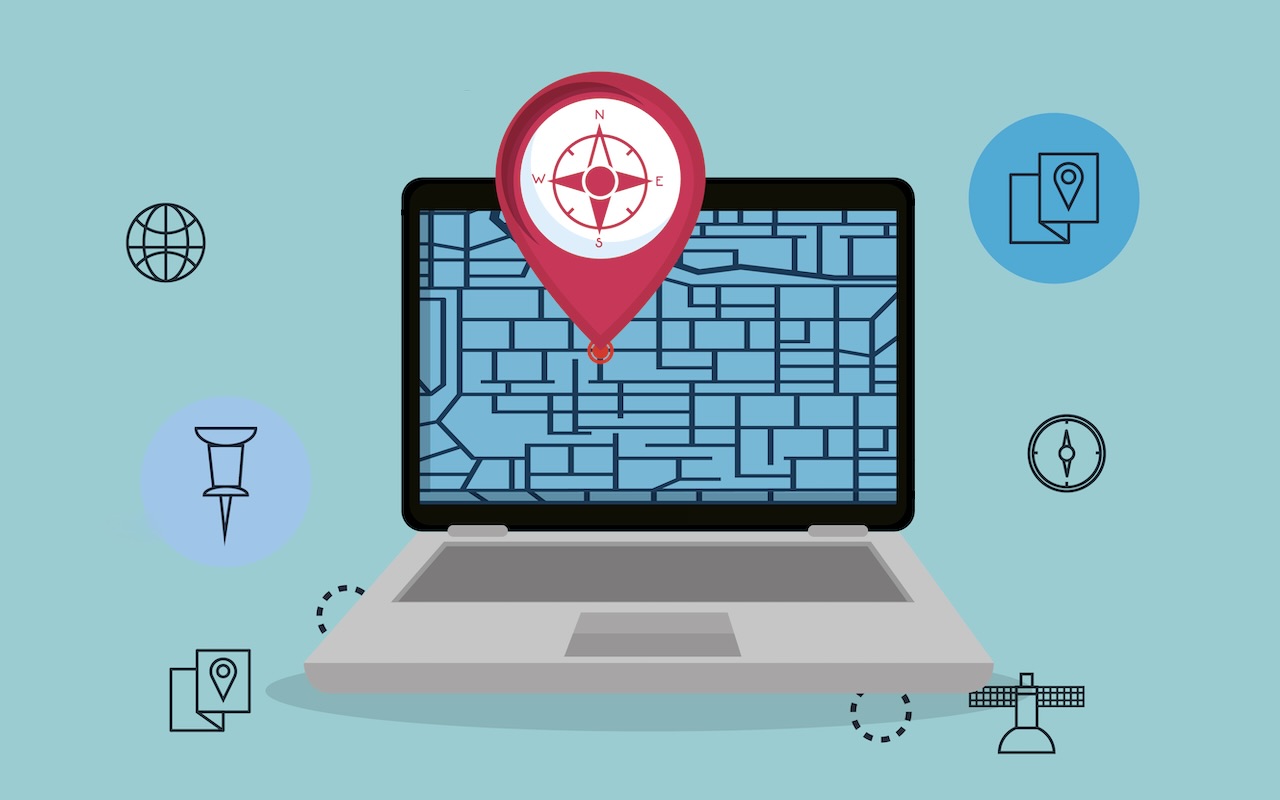
This tutorial demonstrates how to retrieve client location information using Oracle Database 23ai PL/SQL by capturing the client's IP address and querying a geolocation API.
Have you ever needed large amounts of data for research, business insights, or digital projects but didn’t know how to collect it quickly? That’s where web scraping comes in. It’s the process of automatically gathering data from websites and structuring it for analysis, saving hours of manual effort.
At first glance, location data seems simple. On a basic level, it includes your business name, address, phone number, and a few listings on Google or Yelp. However, beneath the surface, there is a complex web of data connections spanning dozens of platforms, directories, and apps. Each listing acts like a small node in a huge, distributed database.
In today’s data-driven world, businesses generate and rely on vast amounts of information every day. Managing this data effectively is critical for operational efficiency, regulatory compliance, and informed decision-making. Without proper oversight, data can become inconsistent, insecure, or mismanaged, leading to costly errors and lost opportunities.
Digital communication is important to preserve in a legal process. Slack is a popular tool that teams use to communicate, which means there is often a wealth of information to be found here. Correct retention of this data can help greatly during litigation. In this article, we discuss best practices for Slack data retention, including tips on how to manage your data appropriately and ensure compliance with legal requirements.
Everyone loves to overcomplicate PDF scraping. Ask around, and you’ll hear the same story: you need expensive enterprise software, specialized parsing libraries, or even a degree in document engineering. The truth? None of that is necessary. In the last year alone, I’ve scraped over 100,000 PDFs—ranging from research papers and government reports to corporate filings—without breaking the bank or losing my sanity. What I discovered is that most developers are wasting time on clunky workflows, overpriced tools, and assumptions that simply aren’t true. PDF scraping isn’t rocket science—it’s about understanding how to access data reliably and extract it efficiently. This article breaks down the myths, exposes the common mistakes, and shows you how to build a scalable scraping pipeline with just a few lines of Python and the right strategy.
In today’s hyper-connected digital world, online security has become a top priority for both businesses and individuals. With cyber threats evolving at an alarming pace, traditional security measures often fall short in providing full protection. This is where IP tracking steps in as a powerful tool to detect suspicious activity, prevent fraud, and strengthen the overall digital defense system.
Data security is among the leading issues within the current technological era that concern individuals and enterprises, particularly in the digital world. As cyber threats become more advanced daily, encryption has been established as the theme relating to data protection, especially sensitive information. What would happen when the encrypted data is lost due to technical problems or human error? It is here that data recovery of encrypted data is used.
With big data and advanced analytics ruling the technological world today, handling data properly and moving and preparing it correctly is critical.
As more businesses shift to cloud-based systems, data synchronization and real-time collaboration have become essential for growth and innovation. In Western New York, organizations across industries are embracing digital tools to streamline operations, improve decision-making, and stay competitive. This article explores the top tech trends shaping the next three years—real-time data alignment, AI-enabled teamwork, and hybrid cloud adoption—and highlights how these changes are driving regional transformation through cloud integration, automated data sharing, and database replication.